Why Do Cats Like to Sleep With You?5 Reasons and How to Encourage It
What’s Really Going On When Your Cat Sleeps With You?
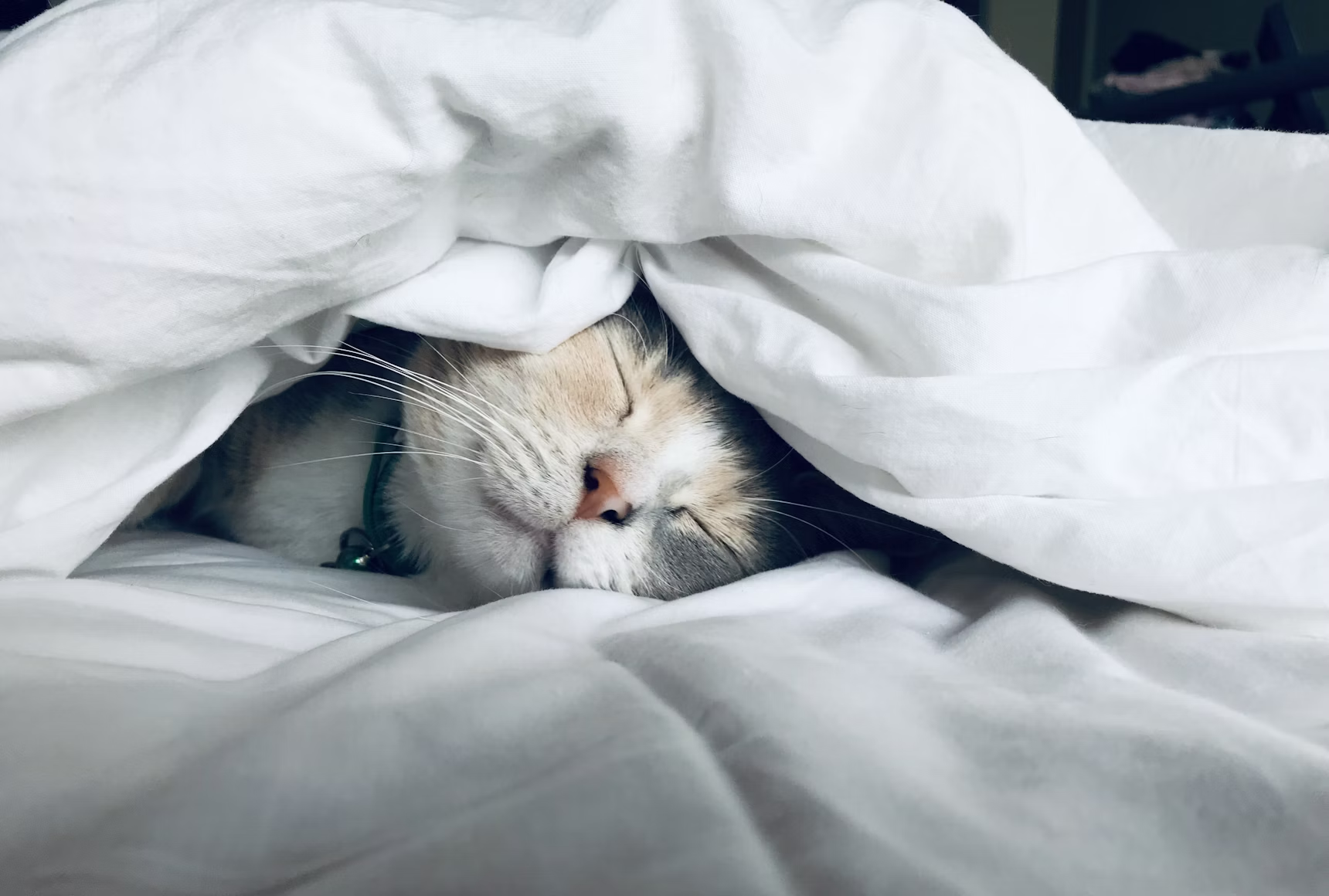
When your cat decides your bed is their bed, it’s way more than just finding a comfy spot. Think about it—sleep is when we’re most vulnerable, right? Well, for cats it’s no different. By choosing to sleep next to you, they’re basically saying "I trust you with my life." That’s huge in the cat world.
I’ve always found it fascinating how this behavior goes back to their wild ancestors. Back then, cats would only sleep where they felt completely safe. So when your feline friend curls up beside you, they’re treating you like family—their trusted inner circle. It’s their way of non-verbally saying "you’re mine" through scent marking and body language.

Reason 1: They’re Basically Little Heat-Seeking Missiles
Let’s be real—cats are professional warmth-seekers. Your body is like their personal heated mattress, and they absolutely love it. With their natural body temperature running higher than ours, they’re constantly looking for that perfect warm spot. Your bed? It’s the ultimate luxury suite.
I remember reading that cats prefer temperatures around 86-97°F—no wonder they’re always seeking out sunny patches or, you know, our warm bodies. It’s an energy-saving trick they’ve carried from their wild days. Why burn calories staying warm when you can cuddle up to a human heater?
Reason 2: You’re Their Personal Security System
Here’s something that really puts it in perspective: sleeping is when cats are most vulnerable to predators. So when they choose to sleep with you, they’re trusting you to be their protector. That rhythmic sound of your breathing and heartbeat? It’s like comfort food for their soul, reminding them of sleeping with their mom and siblings as kittens.
Your presence creates this bubble of safety that lets them actually relax enough to get proper deep sleep. It’s not just about physical protection either—your familiar scent and the predictable environment you create help reduce their stress levels significantly.
Reason 3: You’re Being Scent-Marked (And That’s a Good Thing!)
Okay, this one might sound a little weird, but stick with me. Cats have scent glands on their cheeks, paws, and tail base. When they sleep with you, they’re basically rubbing their scent all over you and your bedding. Think of it as their way of saying "this human is taken."
What’s really cool is that this scent-mingling creates what I like to call a "family fragrance." It strengthens your bond and gives them comfort when you’re not around. If you have multiple pets, this actually helps reduce territorial squabbles because everyone knows who belongs to whom.
Reason 4: Building That Bond, One Nap at a Time
Despite what some people think, cats aren’t these aloof, solitary creatures. They form deep attachments to their humans, and sleeping together is one of the most intimate ways they strengthen that bond. It actually releases oxytocin—the "love hormone"—in both of you.
I’ve noticed with my own cats that after regular co-sleeping sessions, they become more affectionate and attentive. This is especially powerful for rescue cats or those with anxiety issues. That vulnerable state of sleep creates this unique opportunity for emotional connection that’s hard to replicate during waking hours.
Reason 5: You’re Part of Their Colony
Here’s a myth I’d love to bust: cats aren’t truly solitary animals. Their wild ancestors formed loose colonies around reliable food sources, and sleeping together provided warmth, protection, and social structure. Your cat sleeping with you? That’s their inner wild cat treating you as part of their colony.
Even though domestic cats don’t face the same survival challenges, these instincts run deep. Whether your cat grew up with siblings or was an only kitten, that social sleeping instinct is still there, waiting to be expressed with their human family.
How to Make Your Bed the Place to Be
Want to encourage this bonding experience? Here are some things that have worked for me:
Set the Stage
Make your bedroom cat-friendly with soft bedding and minimal disturbances. I’ve found that having a designated cat bed or blanket near mine works as a great "starter" spot.
Create Rituals
Cats love predictability. Try establishing a bedtime routine that includes play followed by quiet cuddle time. It helps them associate your bedtime with positive vibes.
Positive Vibes Only
When your cat chooses to sleep near you, some gentle praise goes a long way. The key is letting them initiate—no forced cuddles!
Scent Soothing
Place something with your scent (like a worn t-shirt) where you’d like them to sleep. It’s like leaving a comfort blanket.
Respect Their Style
Some cats are foot-of-the-bed types, others want to be right in your face. Pay attention to their preferences—it makes all the difference.
What Their Sleeping Positions Really Mean
Your cat’s sleeping position is like their personal emoji—it tells you exactly how they’re feeling:
The Classic Ball
Curled up with tail wrapped around? They feel secure but are still keeping one ear open. It’s their energy-saving mode.
Full Stretch
When they’re stretched out beside you, that’s maximum trust. They feel completely safe letting their guard down.
Pillow Buddy
If they’re using your pillow too, they’re seeking ultimate closeness. This usually means you’ve got a particularly strong bond.
Touchy-Feely
Any physical contact during sleep—a paw on your arm, body pressed against yours—is their way of reinforcing that connection.
Belly Up
The ultimate trust fall. A cat sleeping with their belly exposed feels 100% secure with you and their environment.
When to Pay Extra Attention
While co-sleeping is generally wonderful, keep an eye out for these changes:
Sudden Shifts
If your regular bed buddy suddenly stops sleeping with you, or an independent cat suddenly becomes clingy, it might signal stress or health issues.
Sleeping Too Much
Yes, cats sleep a lot, but significant increases in sleep time combined with other symptoms warrant a vet visit.
Restless Nights
If they can’t get comfortable or keep changing positions, they might be dealing with pain.
Breathing Changes
Any labored breathing or unusual sounds during sleep need veterinary attention.
Remember, every cat is unique, and their preferences can change over time. The most important thing is staying tuned in to what’s normal for your particular feline friend.
Wrapping It Up
That simple act of your cat choosing to sleep with you? It’s this beautiful dance of instinct, emotion, and social connection all rolled into one. From seeking warmth to building trust, every purr-filled night together strengthens that special bond you share.
Whether they’re curled at your feet or nestled against your side, these quiet moments are your cat’s way of saying "you’re my person." And honestly, isn’t that one of the most heartwarming things about sharing your life with a cat?