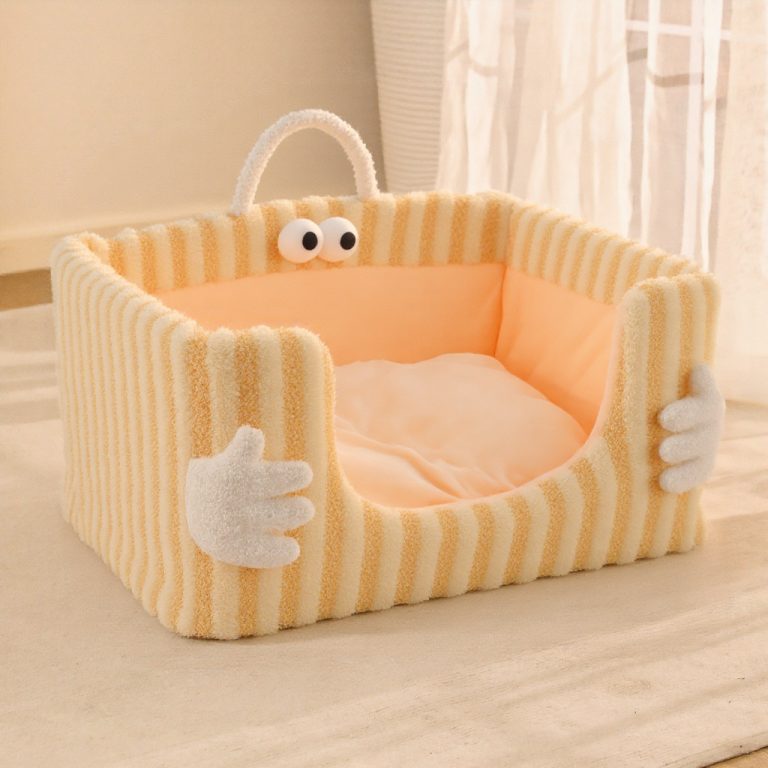

How to Get Your Cat to Sleep in Its Bed?7 Proven Steps for Peaceful Nights
How to Get Your Cat to Sleep in Its Bed: 7 Proven Steps for Peaceful Nights
Ever find yourself staring at that expensive cat bed collecting dust while your feline friend snuggles up on your favorite sweater in the laundry basket? You’re definitely not alone in this nightly battle of wills. I’ve been there too—wondering why my cat would choose literally anywhere but the perfectly good cat bed I bought specifically for her. The truth is, getting cats to sleep where we want them to requires understanding their unique psychology and speaking their language. This isn’t about forcing them; it’s about creating a space so inviting they can’t resist. Let me walk you through a proven approach that’s helped transform many feline sleeping habits—and saved countless pillows from becoming permanent cat beds.
What Does "Getting Your Cat to Sleep in Its Bed" Really Mean?
Honestly, it’s so much more than just plopping down a cozy mat and hoping for the best. Think of it as creating a personal sanctuary for your cat—a place that feels so safe and comfortable that they actively choose it over your freshly laundered clothes or that warm spot on the sofa you just vacated. Unlike using a cat carrier (which cats often associate with vet visits), this is about building positive connections around comfort and security. When cats have their own special sleeping spot, something magical happens: they feel more secure, their stress levels drop, and they actually sleep better. And for us? Well, we get uninterrupted sleep and the satisfaction of knowing we’ve created the perfect cozy corner for our furry companions.
Step 1: Finding That Perfect Bed and Spot
Let’s start with the basics—getting the right equipment and placement. Cats are surprisingly particular about where they sleep. Have you noticed how your cat always seems to find the sunniest spot or the highest perch? That’s not random—it’s instinct. When choosing a bed, think about your cat’s personality. Is she the nervous type who jumps at every sound? She might love an enclosed bed that feels like a safe cave. More of a confident explorer? An open, plush bed might be perfect.
And location? That’s half the battle. Find a quiet corner away from the main hustle and bustle of your home—no drafts, no direct sunlight that gets too hot, and definitely not right next to the blaring television. Many cats feel safest when they’re up high, so consider placing the bed on a stable shelf or piece of furniture. The goal is to create a spot that feels like their own private retreat.
Step 2: Making That Bed Irresistible
Here’s where we get creative. A new bed can smell strange and unfamiliar to your cat, so we need to make it feel like home. Start by transferring familiar scents—maybe a blanket you’ve been using or one that already has your cat’s scent on it. For particularly stubborn cases, I’ve found synthetic feline facial pheromone sprays can work wonders—they mimic the natural "all is well" signals cats leave when they rub their faces on things.
And catnip? It can be like cat magic, but use it sparingly. Sprinkle just a little to attract them initially, but don’t overdo it—you want the bed itself to become the attraction, not just the catnip. The idea is to create so many positive sensory experiences that the bed becomes their go-to spot.
Step 3: The Power of Positive Reinforcement
This is where the real training happens, and honestly, it’s kind of fun. Start small—if your cat even sniffs the bed, immediately reward them with their favorite treat. I’m talking about the really good stuff here, not their everyday kibble. Gradually build up: reward them for sitting in the bed, then for lying down, and eventually for actually sleeping there.
Timing is everything—the treat needs to come within seconds of the behavior, or your cat won’t make the connection. And don’t forget the power of your voice and touch! Gentle praise and petting while they’re in the bed reinforces that this is a good place to be. Make sure everyone in the household is on the same page—consistency is key.
Step 4: Weaving the Bed into Daily Life
Think beyond just sleeping time. Place your cat’s favorite toys near the bed and have play sessions that naturally lead them toward it. During those lazy afternoon moments when your cat is already relaxed, use the bed as your designated cuddling and grooming spot.
I’ve found that many cats absolutely love having their bed positioned near a window with a good view—it’s like having front-row seats to the neighborhood bird show! The goal here is to create multiple positive experiences that make the bed feel like their personal comfort zone, not just a place to sleep.
Step 5: Patience and Consistency Are Everything
Let’s be real—cats don’t change their habits overnight. They thrive on routine and predictability, so establishing consistent bed times, waking times, feeding schedules, and play sessions really helps reinforce the behavior you want.
Some cats might adapt within days, while others might take weeks. The important thing is not to get frustrated and definitely don’t force your cat into the bed—that just creates negative associations. Instead, focus on making the bed the most appealing option through persistent, gentle encouragement.
Step 6: When Things Don’t Go as Planned
Even with the best approach, you might hit some snags. If your cat completely ignores the bed, try moving it to different locations—sometimes it’s just about finding the right spot. In households with multiple cats, make sure each has their own designated sleeping area to prevent territory disputes.
If your cat seems anxious or fearful around the new bed, go back to basics with high-value treats and lots of patience. For cats with particularly high anxiety, it might be worth talking to your vet about calming supplements that can help ease the transition.
Step 7: Keeping the Good Habits Going
Once your cat is consistently using their bed, maintenance becomes key. Continue with occasional treats and praise to keep the positive association strong. Wash the bedding regularly with unscented detergent (cats have sensitive noses!), and occasionally rotate in new comfort items to keep things fresh.
Pay attention to signs that the bed might need replacing—if it’s looking worn out or your cat starts avoiding it again, it might be time for an upgrade. Most importantly, stick with the routines that made the training successful in the first place.
The Final Word
Creating successful sleep habits with your cat’s designated bed is really about understanding their needs, being consistent with positive reinforcement, and having the patience to let them adjust at their own pace. Every cat is unique—what works for one might need tweaking for another. But by following these steps and adapting them to your cat’s individual personality, you’re not just training them to sleep in a bed—you’re creating a sanctuary that makes them feel safe, loved, and perfectly content. And honestly, isn’t that what we all want for our furry family members?