
How to Keep Cats From Scratching Furniture?7 Proven Steps to Protect Your Home
That sinking feeling when you spot fresh claw marks on your favorite sofa—we’ve all been there, haven’t we? It’s like your cat left their signature on your most expensive piece of furniture. But here’s the thing I’ve learned through years of living with feline friends: scratching isn’t malicious behavior. It’s just cats being cats, and with the right approach, we can guide those natural instincts away from our precious furniture.
Understanding Why Cats Scratch Furniture
Before we dive into solutions, let’s get inside your cat’s head for a moment. Why do they do this? Well, scratching is as natural to cats as stretching is to us in the morning. They’re marking their territory (those scent glands in their paws are like little signature stamps), keeping their claws healthy by shedding old layers, getting a good stretch, and sometimes just expressing how they’re feeling—whether that’s excitement, stress, or pure feline joy. Understanding this helps us work with their nature rather than fighting against it.

Step 1: Give Them Something Better to Scratch
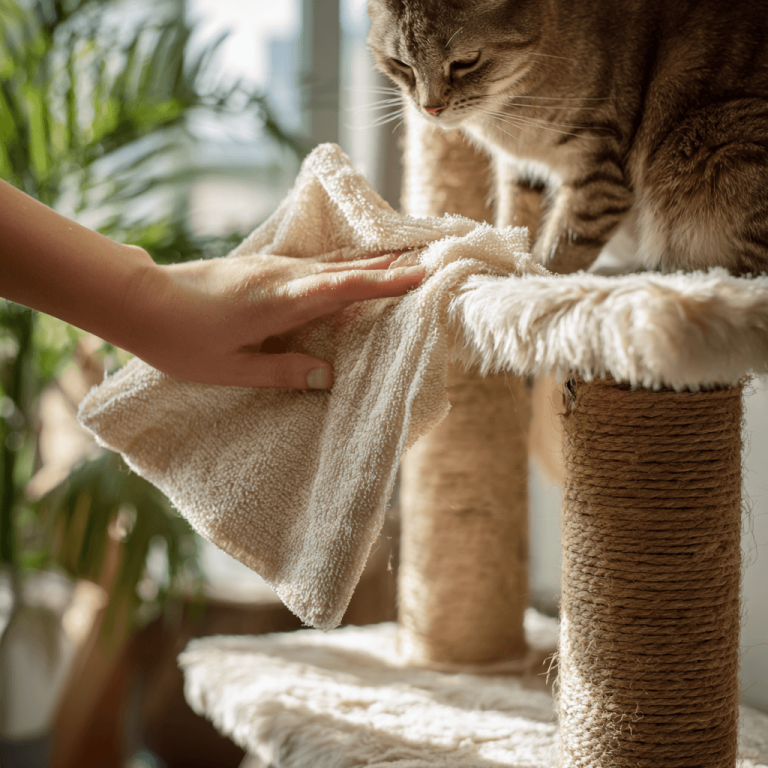
Honestly, the single most effective thing you can do is offer scratching options that your cat actually prefers over your furniture. Think about it—if you had the choice between a comfortable office chair and a wooden stool, which would you pick? When choosing scratching posts and pads, pay attention to what materials your cat gravitates toward. Sisal rope, cardboard, and carpet tend to be popular, but every cat has their preferences.
Place these alternatives near their favorite nap spots and close to the furniture they’ve been targeting. I always recommend having multiple scratching options around your home—it’s like having multiple bathrooms in a house; you want one available when nature calls!
Step 2: Make Furniture Less Appealing
When your cat keeps going back to that one particular chair, it’s time to make it less inviting. Commercial anti-scratch sprays work well—cats really don’t like citrus or menthol scents. Double-sided tape on their favorite scratching spots creates a texture they’ll want to avoid. You can also use clear plastic guards or furniture protectors that physically block access without being too obvious.
For a quick DIY solution, try aluminum foil or citrus peels temporarily placed on furniture. It’s amazing how something so simple can change their behavior!
Step 3: Train with Rewards, Not Punishment
Here’s where patience pays off. When you catch your cat using the right scratching surface, reward them immediately with treats, praise, or some gentle petting. If you see them heading for the furniture, gently redirect them to their scratching post and reward them for making the switch.
I can’t stress this enough: never punish your cat for scratching. Yelling or physical discipline only damages your bond and can make anxiety-related behaviors worse. Focus on making the right choices more rewarding than the wrong ones.
Step 4: Protect Your Most Vulnerable Spots
Some furniture areas are like scratching magnets—couch corners, chair legs, the sides of upholstered pieces. While you’re working on long-term training, give these areas some immediate protection. Slipcovers designed for cat owners, clear corner guards, or furniture tape that blends with your decor can buy you the time you need.
Think of these as training wheels while your cat learns the new rules of the house.
Step 5: Keep Those Claws in Check
Regular nail care makes a huge difference in the damage scratching can cause. Trim your cat’s claws every 2-4 weeks using proper cat nail clippers—just be careful to avoid the quick (that pink area with blood vessels). If your cat resists, try doing one paw at a time or gently wrapping them in a towel.
Some cats do well with soft plastic nail caps, though these need regular replacement. Well-maintained claws are less likely to catch on fabrics and cause major damage.
Step 6: Create a Cat Paradise
A happy, stimulated cat is less likely to take out their boredom on your furniture. Enrich your home with vertical spaces like cat trees and wall shelves, interactive toys that satisfy their hunting instincts, and comfortable resting spots with good views.
Offer multiple scratching options in different textures and orientations—vertical posts, horizontal pads, angled scratchers. Cats have preferences just like we do, and accommodating these can make all the difference.
Step 7: Consistency is Everything
Changing behavior takes time—it doesn’t happen overnight. Everyone in your household needs to be on the same page with the rules and training methods. Be patient through setbacks; cats will test boundaries, especially during stressful times.
Remember: we’re not trying to eliminate scratching entirely (that would be like asking humans not to stretch). We’re just redirecting it to appropriate surfaces. Most cats show significant improvement within 2-6 weeks if you’re consistent.
When You Need Extra Help
If your cat continues scratching despite your best efforts, try these troubleshooting tips: make sure scratching posts are in high-traffic areas rather than hidden corners, experiment with different materials if your current options aren’t working, and check with your vet if scratching behavior changes suddenly—it could indicate a medical issue.
For persistent problems, consider consulting a certified cat behaviorist. In multi-cat households, provide multiple scratching stations to prevent competition and ensure everyone has their own space.
The Big Picture
Successfully preventing furniture scratching comes down to understanding your cat’s nature and consistently applying multiple strategies. By providing appealing alternatives, using smart deterrents, practicing positive reinforcement, and creating a cat-friendly environment, you can protect your furniture while respecting your cat’s natural behaviors.
The journey requires patience and consistency, but the reward—a home where both your furniture and your feline friend can thrive together—is absolutely worth the effort. After all, isn’t that what we all want: to live in harmony with our furry family members?